Stop what you are doing. The automotive hierarchy just got turned upside down.
If you told a car enthusiast five years ago that Dacia—the brand famous for the humble Sandero, the budget-friendly Duster, and being the punchline of Top Gear jokes—would beat the biggest names in motorsport at the world’s most punishing race, they would have laughed you out of the room.
But today, January 19, 2026, the laughter stopped.
As the dust settles over the Red Sea coastline in Yanbu, a new king has been crowned. Dacia has officially won the 2026 Dakar Rally. The Romanian brand, a subsidiary of Renault, has defeated the titans of the sport—Toyota, Ford, and the space-age tech of Audi—to claim the toughest prize in motorsport.
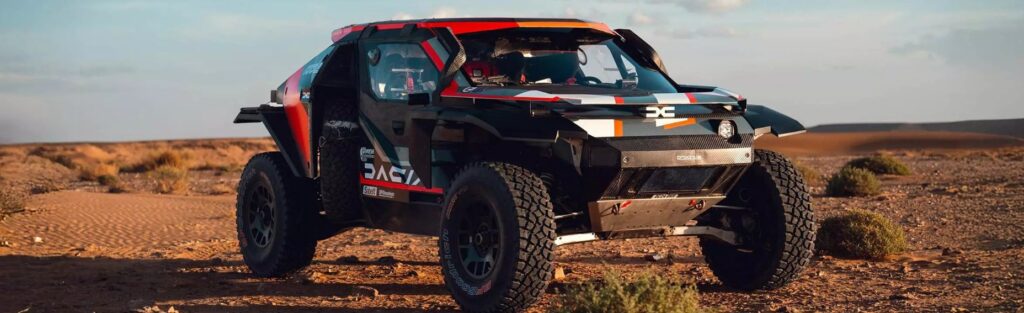
This isn’t just a win; it is a revolution. The Dacia Sandrider has conquered the Empty Quarter, proving that smart engineering, “essentialist” design, and durability can outmuscle unlimited budgets.
The Race: A Fortnight of Attrition
The 2026 edition of the Dakar will be remembered as the “Year of the Dune.” Organizers promised the toughest route in a decade, and they delivered.
For the first week, it looked like business as usual. The high-tech prototypes from the competition traded stage wins, using their immense power to blast through the flat sections. But the Dakar is not a sprint; it is a marathon of destruction.
The Turning Point: Stage 9
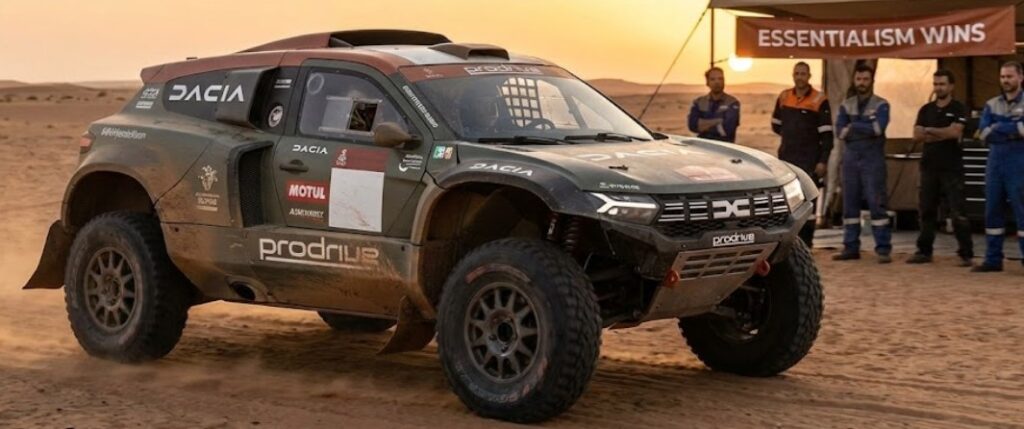
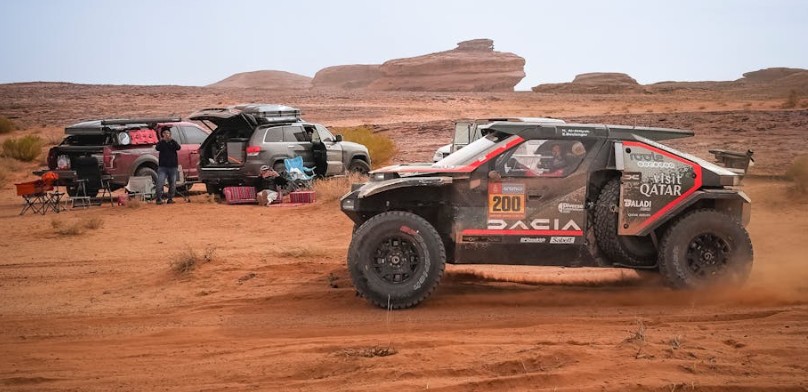
The rally turned on its head during the grueling “48-hour Chrono” stage in the Empty Quarter—a sea of dunes the size of skyscrapers. While rival cars suffered from overheating hybrid systems and shattered suspension arms, the Dacia Sandriders simply kept moving.
It was here that Nasser Al-Attiyah, the desert fox himself, made his move. Driving the #200 Sandrider, Al-Attiyah didn’t go for outright speed. He went for rhythm. While his rivals stopped to fix punctures or reboot software, Al-Attiyah surfed the dunes with mechanical sympathy. By the time the field emerged from the desert two days later, Dacia had built a 20-minute lead that they would never relinquish.
Meanwhile, teammate Sébastien Loeb, the nine-time WRC champion, played the role of the ultimate wingman. Loeb won four individual stages, pushing the car to its absolute limit to stress-test the components and force competitors to over-drive and break their own machines trying to keep up.
The Machine: Deconstructing the “Sandrider”
How did a budget brand build a world-beater? They didn’t do it alone, and they didn’t do it by throwing money at the wall. They did it by stripping everything back.
The winning vehicle, the Dacia Sandrider, is a masterclass in “Essentialism.” Developed in collaboration with the motorsport legends at Prodrive, the car is the antithesis of the complex, heavy electric hybrids that have dominated headlines recently.
1. The Engine: Old School Muscle, New School Fuel
At the heart of the Sandrider is a beast that purists will love. It is powered by a 3.0-liter twin-turbo V6 (derived from the Nissan VR30DDTT).
- Power: 360 bhp
- Torque: 539 Nm
- The Secret Weapon: The car runs on synthetic fuel developed by Aramco. This fuel is produced by combining renewable hydrogen with captured CO2. It allows the Sandrider to run a traditional, lightweight internal combustion engine while remaining carbon-neutral. This gave Dacia a massive weight advantage over the heavy battery packs of their electric rivals.
2. The “No-Frills” Aerodynamics
Look closely at the Sandrider, and you’ll see… nothing unnecessary. There is no chrome. No decorative trim.
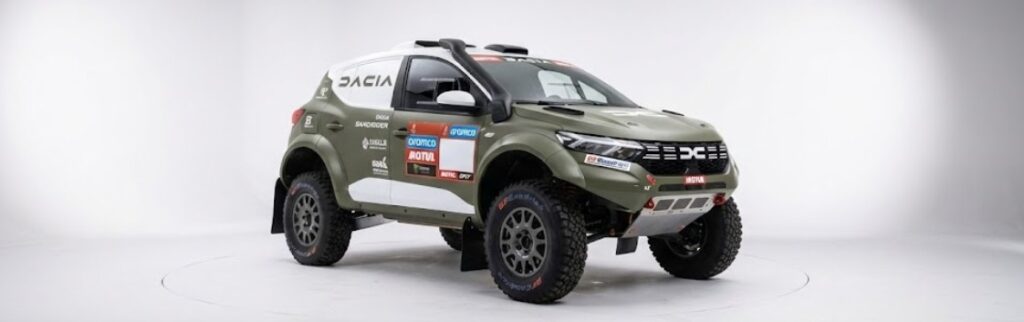
- The Floating Bonnet: The short, sloping bonnet was designed solely so the drivers could see over the crest of dunes better.
- Anti-Infrared Carbon: The body panels are made of carbon fiber infused with special anti-infrared pigments. Why? To lower the cockpit temperature. By reflecting heat, Dacia could use a smaller, lighter air conditioning system, saving precious horsepower for the wheels.
3. The “Dacia” Touches
True to the brand’s quirky practicality, the engineers included features that only Dacia would think of.
- Magnetic Panels: The bodywork has built-in magnetic zones. When mechanics are working in the middle of the desert sand, they can stick wheel nuts to the side of the car so they don’t get lost in the dunes. Simple? Yes. Genius? Absolutely.
- Sadev Gearbox: A bulletproof 6-speed sequential transmission that prioritized reliability over shift speed.
The Drivers: A Dream Team
You cannot win Dakar with just a car; you need the best hands in the world. Dacia’s masterstroke was signing the “Galácticos” of rally raid.
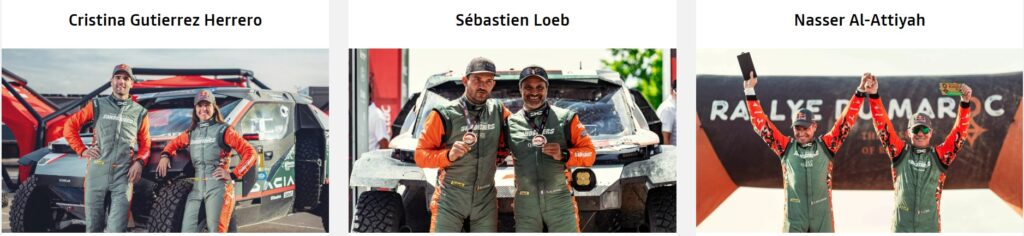
- Nasser Al-Attiyah (The Winner): The Qatari legend has now cemented his status as the greatest dune driver in history. His ability to “read” the sand is unparalleled. He didn’t just drive the Sandrider; he flowed with it.
- Sébastien Loeb: The Frenchman may not have taken the overall gold this time, but his stage wins proved the Sandrider has raw pace to match its reliability.
- Cristina Gutiérrez: Moving up to the top T1+ category, Gutiérrez silenced any remaining doubters. Her consistent top-10 finishes throughout the rally provided crucial data and support, proving she is a future winner in waiting.
Why This Win Matters to YOU
Okay, so a race car won a race. Why should you, the average car buyer, care?
Because this victory changes the perception of “value” forever.
For decades, “budget” meant “compromise.” If you bought a cheap car, you expected it to be fragile or slow. Dacia has shattered that myth. By winning the most grueling endurance race on Earth, they have proven that simplicity is a feature, not a bug.
The “Bigster” Effect
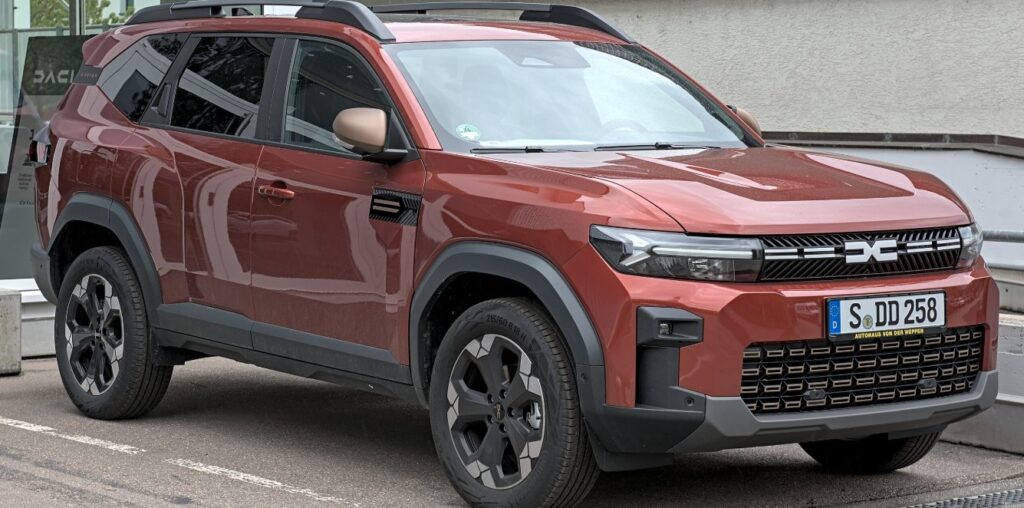
This win is perfectly timed for the global rollout of the Dacia Bigster, the larger, more rugged SUV sibling to the Duster. When that car hits showrooms later this year, it won’t just be “the cheap SUV.” It will be “the SUV from the brand that conquered the Dakar.”
Dacia has successfully rebranded itself from a “sensible choice” to an “adventurous choice.” They have shown that you don’t need to spend $80,000 on a luxury off-roader to get something capable. You just need something that is built right.
The Sustainability Pivot
Finally, this win is a massive moment for the future of the Internal Combustion Engine (ICE).
For the last few years, the narrative has been “EV or nothing.” Dacia and Aramco have shown a third way. By winning with synthetic fuels, they have proven that we can keep the sound and emotion of engines alive without destroying the planet. The Sandrider was carbon-neutral, yet it still roared across the finish line. For petrolheads who fear the silent future, this victory is a beacon of hope.
Final Thoughts
The 2026 Dakar Rally is over, but the shockwaves will last all year.
Dacia—the underdog, the budget brand, the outsider—went into the desert and stared down the giants. They didn’t win by outspending them. They won by outsmarting them. They built a car that was exactly what it needed to be, and nothing more.
As Nasser Al-Attiyah stands on the podium today, lifting the Bedouin trophy, one thing is clear: The automotive world can no longer ignore the Romanian underdog.
The Sandrider didn’t just survive the dunes; it ruled them.
What Do You Think?
- Does this victory make you more likely to consider a Dacia Duster or Bigster?
- Do you think synthetic fuels are the savior of motorsport?
- Did you follow the race? What was your favorite moment?
Let us know in the comments below!
Stay tuned to Autocritic.in for our exclusive technical breakdown of the Sandrider’s suspension setup coming next week!