It is the news every Indian petrolhead has been waiting for. For decades, we have stared at the global price tags of cars like the BMW M3 or the Audi RS5, converted them to Rupees, and wept as the final “On-Road” price in India tripled due to our infamous import taxes.
But the winds are changing.
With the India-EU Free Trade Agreement (FTA) reportedly on the verge of being signed this week, the government is set to slash import duties on European cars. The headlines are screaming “Price Drop,” but here at Autocritic, we look under the hood. Does this mean your dream luxury sedan just became affordable, or is there a catch?
Let’s break down the math, the models, and the morphology of this massive policy shift.
The News: 110% to 40%
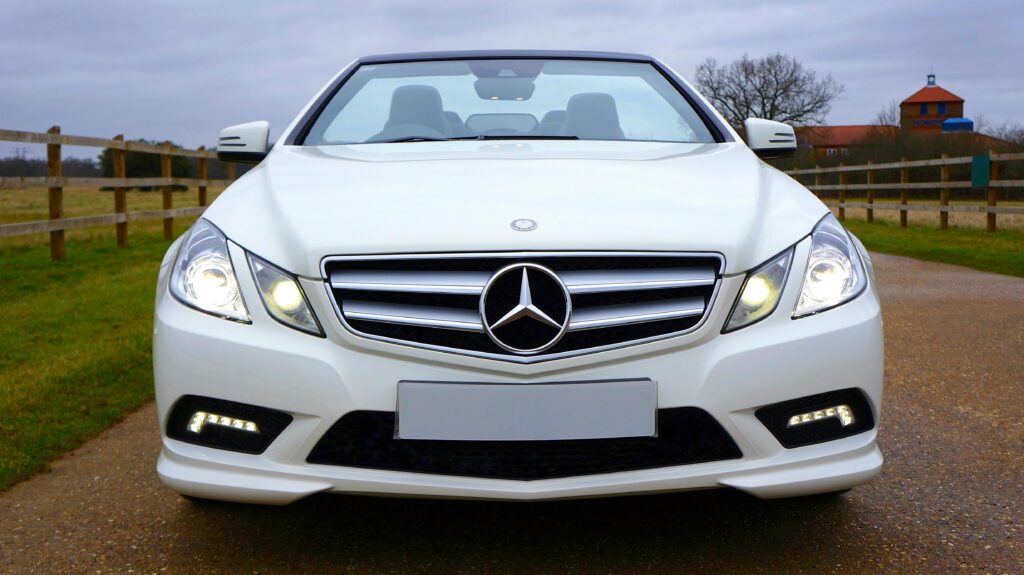
Currently, if you import a Fully Built Unit (CBU) car into India that costs more than $40,000 (approx. ₹33 Lakhs), you pay a staggering 100-110% in customs duty. That is effectively buying one car for yourself and one for the government.
Under the new FTA proposal, this duty is set to be slashed to 40% immediately for a limited quota of cars (approx. 200,000 units/year), with plans to reduce it further to 10% over the coming years.
On paper, a car landing at ₹50 Lakhs used to become ₹1.05 Crores after duty. Now? It could be around ₹70 Lakhs. That is a massive delta.
The Catch: CBU vs. CKD (Read This Before You Celebrate)
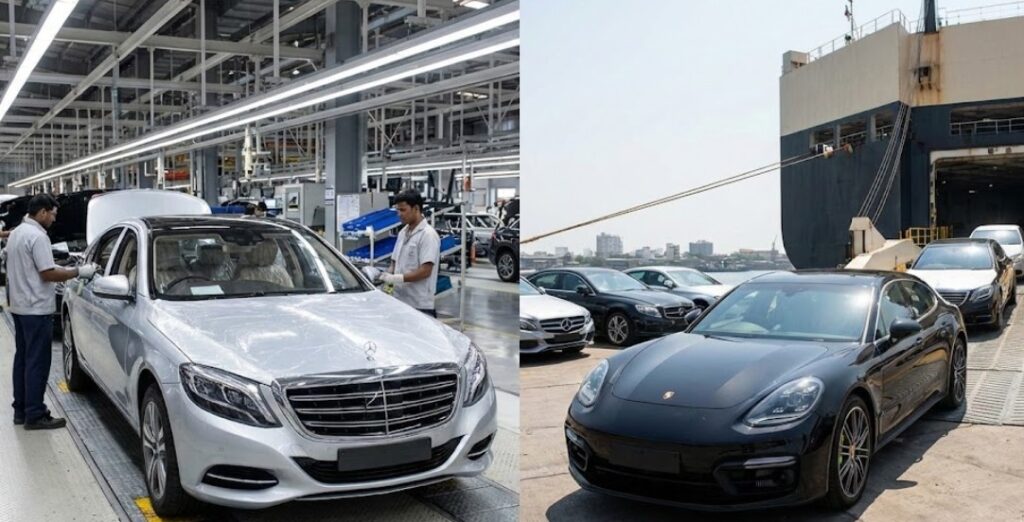
Before you rush to the Mercedes showroom expecting a discount on the C-Class, you need to understand the “Made in India” factor.
Most “volume” luxury cars sold in India—the Mercedes C-Class, E-Class, BMW 3 Series, X1, Audi A4, Q5—are CKD (Completely Knocked Down) units. They are already assembled in Pune, Chennai, or Aurangabad. These cars attract a lower duty bracket (roughly 15-30% on parts).
The 110% to 40% cut applies to CBU (Direct Imports).
This means the locally assembled BMW 3 Series Gran Limousine you see on the road will likely not see a price drop. In fact, local manufacturing is what the government wants to protect.
So, Which Cars Will Get Cheaper?
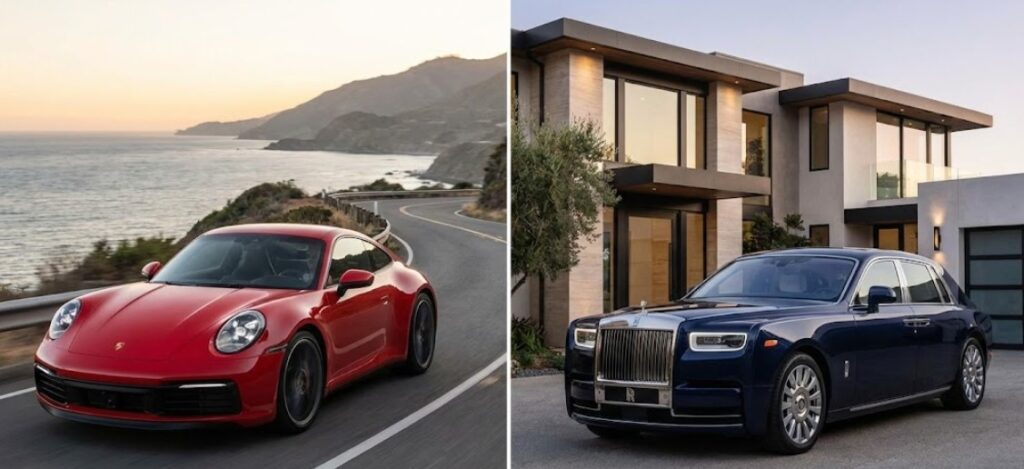
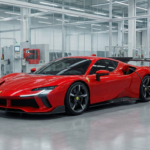
The real winners here are the Enthusiast Cars and the Super Luxury segment. These are the low-volume models that brands didn’t bother assembling in India.
1. The Performance Heroes (AMG, M, RS)
This is where the Autocritic community should get excited. Cars like the BMW M3, M4, M2, the Mercedes-AMG C63, E53, and the Audi RS5 / RS Q8 are typically full imports.
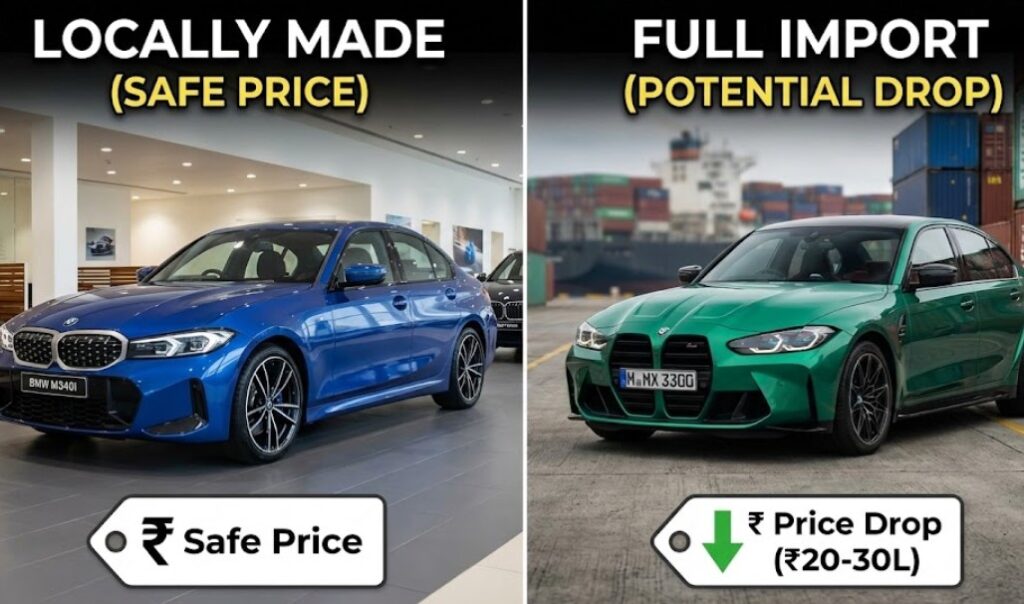
- Prediction: A BMW M340i is locally made (safe price), but a full-blown BMW M3 Competition could potentially see its price drop by ₹20-30 Lakhs depending on how the brand structures the margin.
2. The “Niche” Cool Cars
Remember the Skoda Octavia vRS or the Volkswagen Golf GTI? These legends often struggled in India because importing them pushed their price into BMW 3-Series territory.
- Prediction: With 40% duty, VW and Skoda might finally find it viable to bring the Golf GTI or the Octavia vRS Combi to India at a price that makes sense (sub-₹45 Lakhs?).
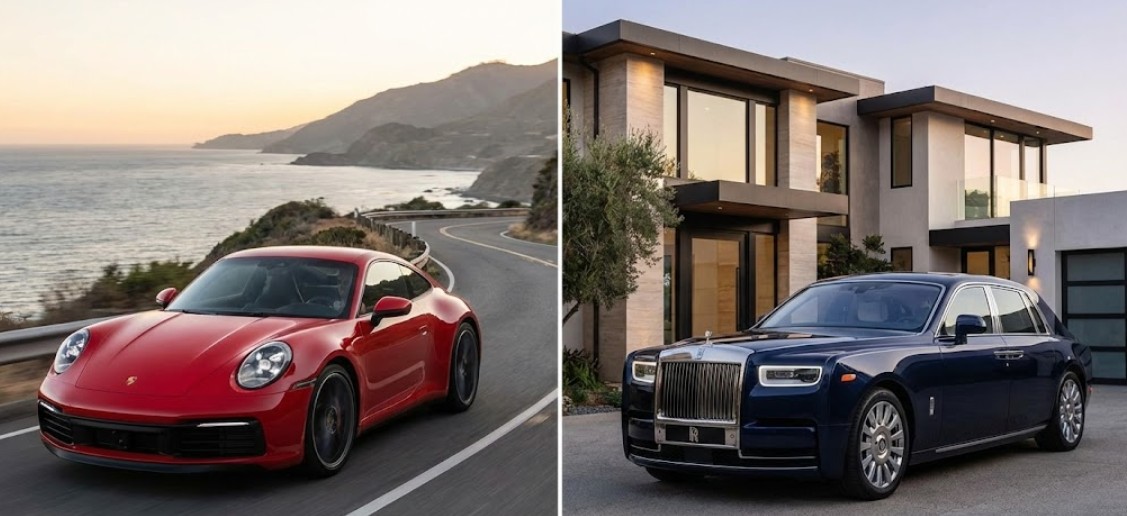
3. Top-Tier Luxury
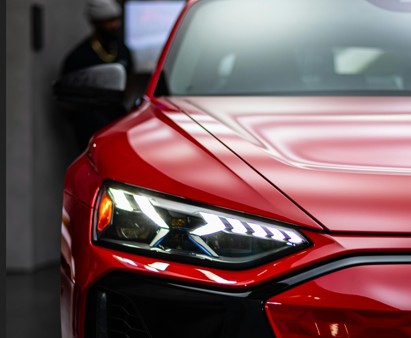
The Mercedes S-Class Maybach (some variants), the G-Wagon (G63), and the Audi Q8 (CBU imports) will see the most significant mathematical reduction.
- Scenario: If a G63 costs ₹3 Crore+ today largely due to taxes, a duty cut could theoretically shave ₹50-80 Lakhs off the sticker price. However, demand for G-Wagons is so high that Mercedes might just keep the price high and pocket the difference—market dynamics will dictate this!
The EV Twist: Not So Fast, Tesla?
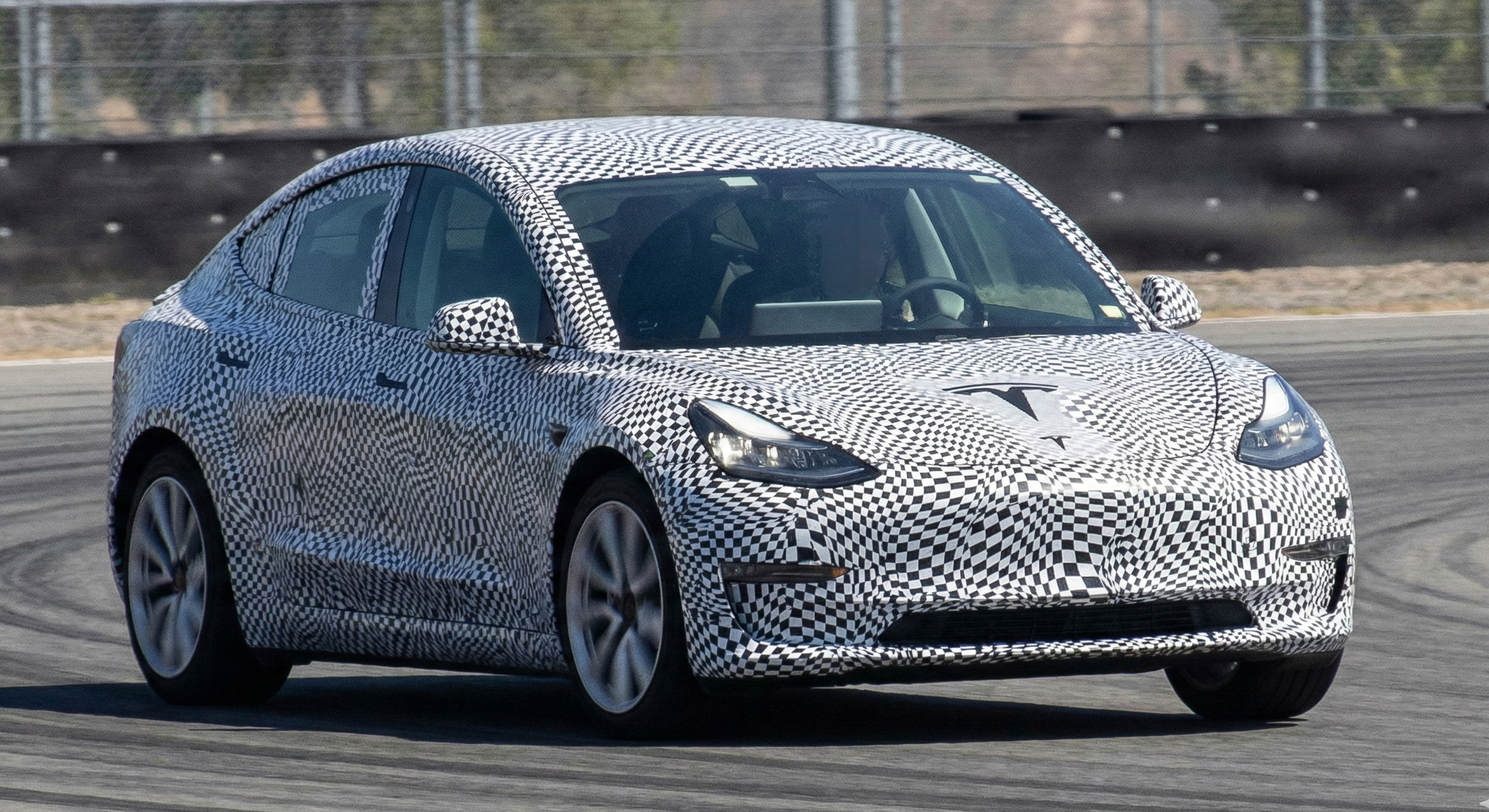
Here is the interesting “morphology” of the deal: Electric Vehicles (EVs) are reportedly EXCLUDED from this duty cut for the first 5 years.
Why? To protect Tata Motors and Mahindra, who are pouring billions into local EV tech. So, if you were hoping for a cheaper Mercedes EQS or Audi e-tron GT import, you might have to wait. The government wants these brands to build EVs in India, not ship them here.
Autocritic Verdict: What Should You Do?
If you are in the market for a Mercedes GLE, BMW X5, or Audi Q7 (which are mostly CKD), buy now. These prices are unlikely to crash, and manufacturers usually hike prices in January/February anyway.
However, if you have been eyeing a CBU import—like a Defender (if JLR benefits from a parallel UK deal), a Porsche Macan, or an AMG—WAIT. The market is about to get volatile.
This FTA is the “Morphology” shift the Indian car market has needed for years. It might not make a C-Class cheap, but it might finally put a proper sports car within reach of the upper-middle class.
What do you think? Will brands pass the benefit to us, or will they just increase their profit margins? Let me know in the comments below!
Stay tuned to Autocritic for our upcoming “Past Lane” feature where we look at the legendary imports that defined the 90s!