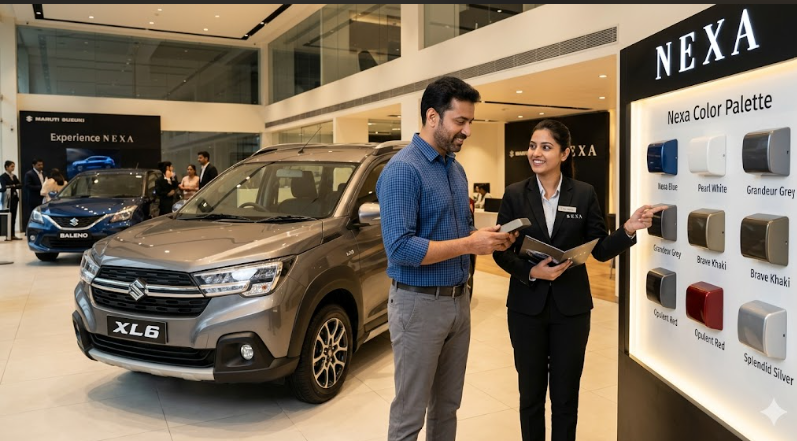
If you think choosing a car colour is purely about what looks “cool” in your driveway, think again. At AutoCritic, we often spend our time dissecting turbocharged engines or evaluating suspension geometry. Still, the paint on the body is a multi-year commitment that silently affects your wallet, your daily comfort, and even your safety on the road.
Whether you’re eyeing a sophisticated “Onyx Black” or a “Crystal White,” your paint choice is a tactical decision. Let’s dive deep into the data, the science, and the cold, hard reality of automotive aesthetics.
1. The Financial Impact: Does Colour Affect Resale Value?
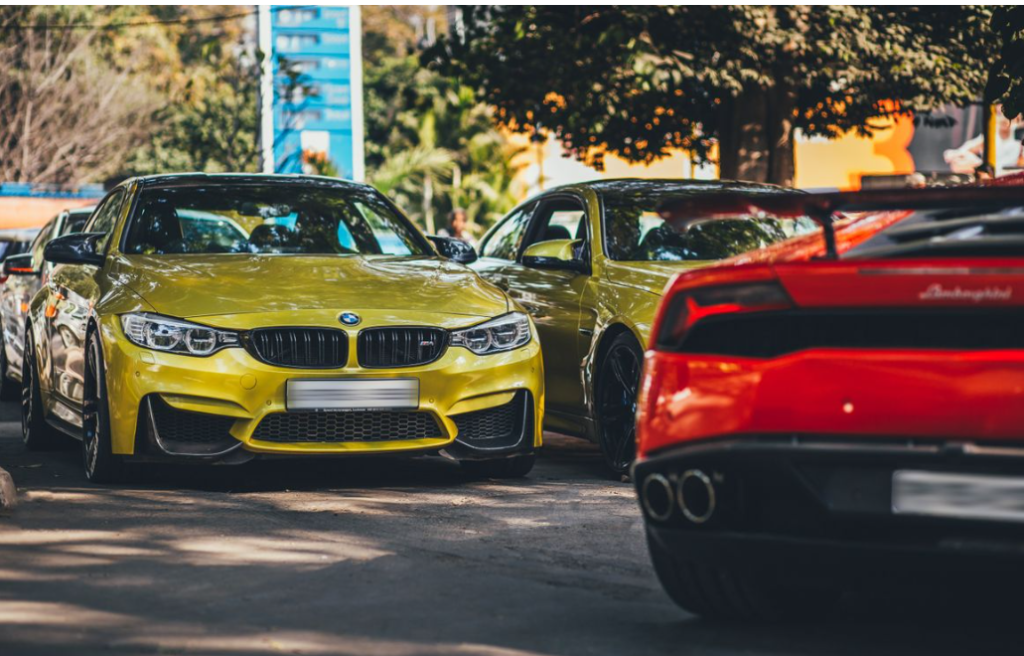
In the world of used car transactions, liquidity is king. When you decide to sell your vehicle, you want to appeal to the widest possible audience. Data from global automotive markets consistently shows that neutral colours—White, Silver, Grey, and Black—command the highest resale values.
Why? It’s simple psychology. A vibrant “Phoenix Yellow” or “Racing Red” might look stunning on a showroom floor, but it limits your pool of potential buyers to enthusiasts. A neutral-coloured car is a “blank canvas,” allowing the next owner to envision themselves behind the wheel without feeling constrained by a bold aesthetic. If you’re a “car flipper” or someone who plans to upgrade in three years, stick to the neutrals to minimize depreciation.
2. The Science of Comfort: Heat Absorption
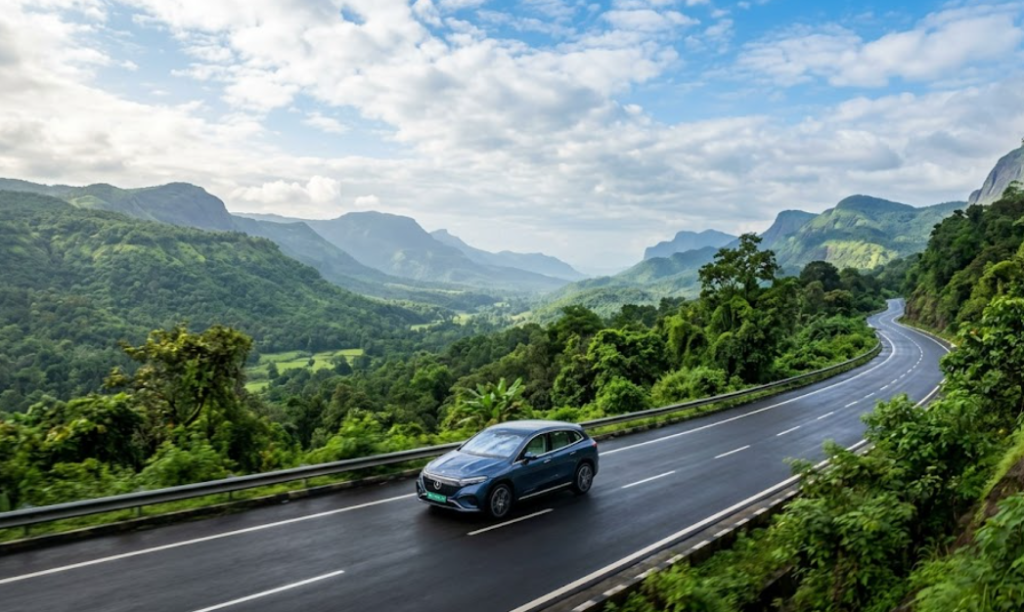
We’ve all experienced the “oven effect”—the moment you step into a car that’s been parked under the sun for hours. Here, physics plays a major role.
Darker pigments (Black, Navy, Charcoal) absorb a significant portion of the solar radiation spectrum. These colours act as heat sinks, raising the temperature of the vehicle’s body panels and, consequently, the interior cabin. Research indicates that a white or light-silver vehicle can keep a cabin 10–15°C cooler than a black car under identical conditions. If you live in a region with long, scorching summers, your choice of paint is effectively an extension of your climate control system.
3. The Maintenance Paradox: Dirt, Scratches, and Swirls
Every car owner eventually faces the battle against grime. But did you know some colours are objectively “harder” to live with?
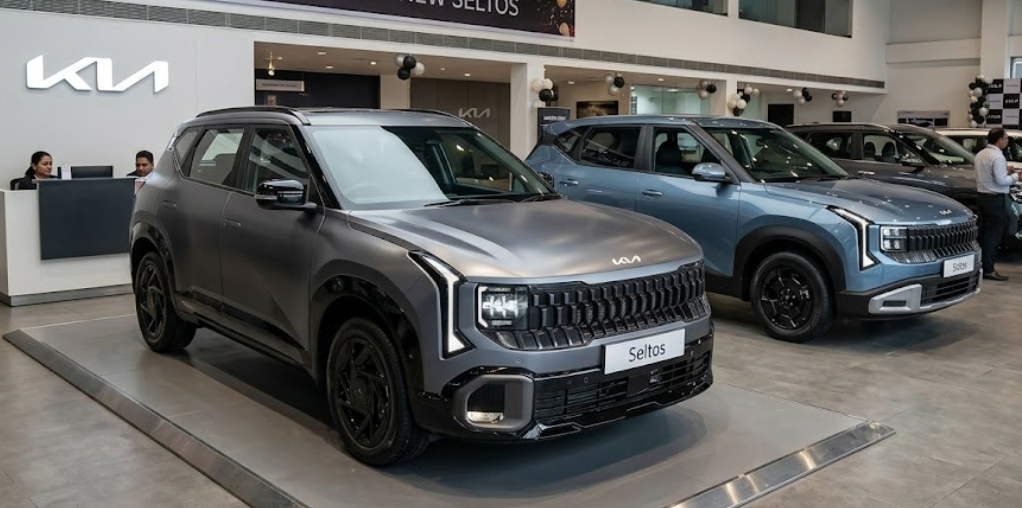
- Black/Dark Blue: These colours are the most unforgiving. They show every speck of dust, water spot, and, most importantly, “swirl marks” caused by improper washing. They look spectacular for the first ten minutes after a professional detail, but they are a full-time job to keep looking showroom-ready.
- Silver/Metallic Grey: These are the gold standard for low-maintenance owners. The metallic flake in the paint acts as a camouflage for light dust and minor road grime.
- White: White is a fascinating case. While it shows mud and dark road tar quite easily, it is arguably the best at hiding light scratches and swirl marks. Its high reflectivity masks the imperfections that would glare on a darker surface.
4. The Safety Factor: Visibility on the Road
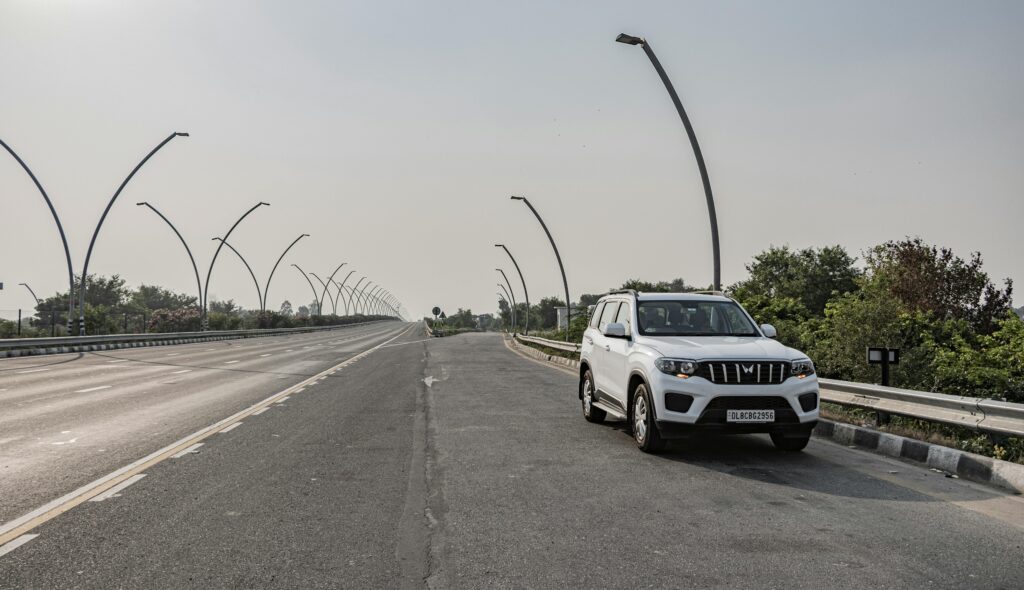
Perhaps the most overlooked aspect of your car’s paint is how it performs in traffic. Studies from road safety authorities have shown a correlation between vehicle color and accident risk.
Darker colours—specifically black, blue, and dark grey—tend to blend into the shadows of the road, especially during dawn, dusk, or heavy rain. Brighter colors like white, yellow, and vibrant orange offer the highest contrast against the asphalt and surrounding environment, making your vehicle more “visible” to other drivers. While modern cars come equipped with Daytime Running Lights (DRLs) that mitigate this risk significantly, colour remains a factor in passive safety.
| Color | Resale Score | Maintenance Score | Heat Defense Score |
|---|---|---|---|
| White | 9/10 | 7/10 | 10/10 |
| Black | 6/10 | 2/10 | 3/10 |
| Silver | 9/10 | 9/10 | 8/10 |
| Red | 4/10 | 7/10 | 6/10 |
Prakyat’s Pro-Tip
If you are struggling to decide, choose Metallic Grey. It offers the perfect middle ground between the professional look of black and the practical heat-reflection of silver. It hides dust, looks sharp in city lights, and retains value better than almost any other shade in the 2026 market.
Final Thoughts: The Emotional Choice
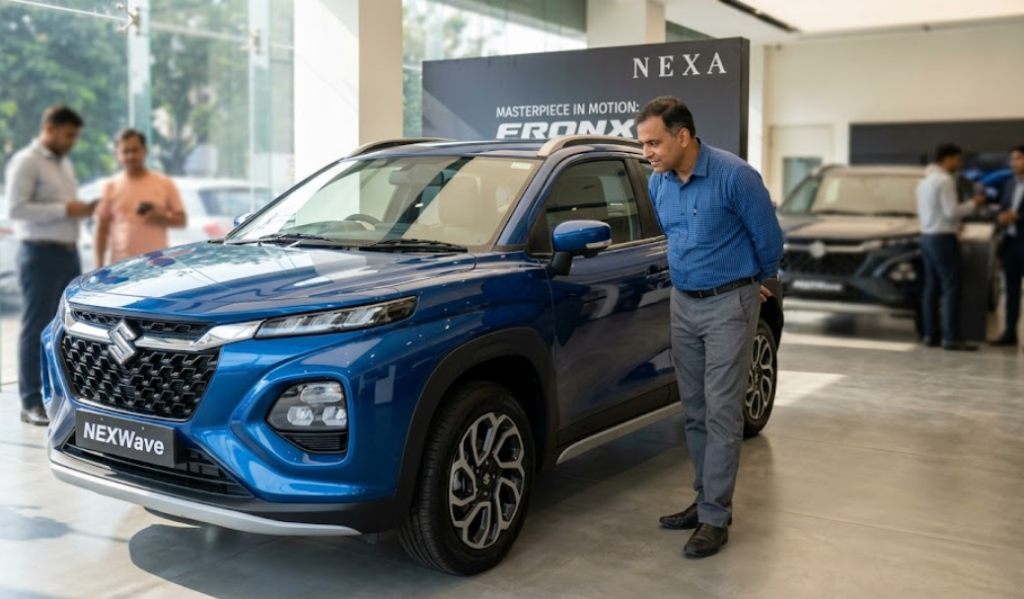
While the data suggests silver and white are the “smart” choices, cars are also objects of desire. If you’ve always dreamt of a British Racing Green or a deep, lustrous Midnight Blue, don’t let a resale chart stop you. Your car is an expression of your personality.
If you choose a “high-maintenance” colour, simply balance it with a high-quality ceramic coating or a Paint Protection Film (PPF) application. With the right care, you can make any colour look legendary.
What’s your take? Are you a “utility-first” buyer who sticks to silver, or do you prioritise standing out in the crowd? Let us know in the comments below!

Confused About Your Next Car?
Get unbiased, expert advice tailored to your budget. Cut through the jargon and make the right choice.