
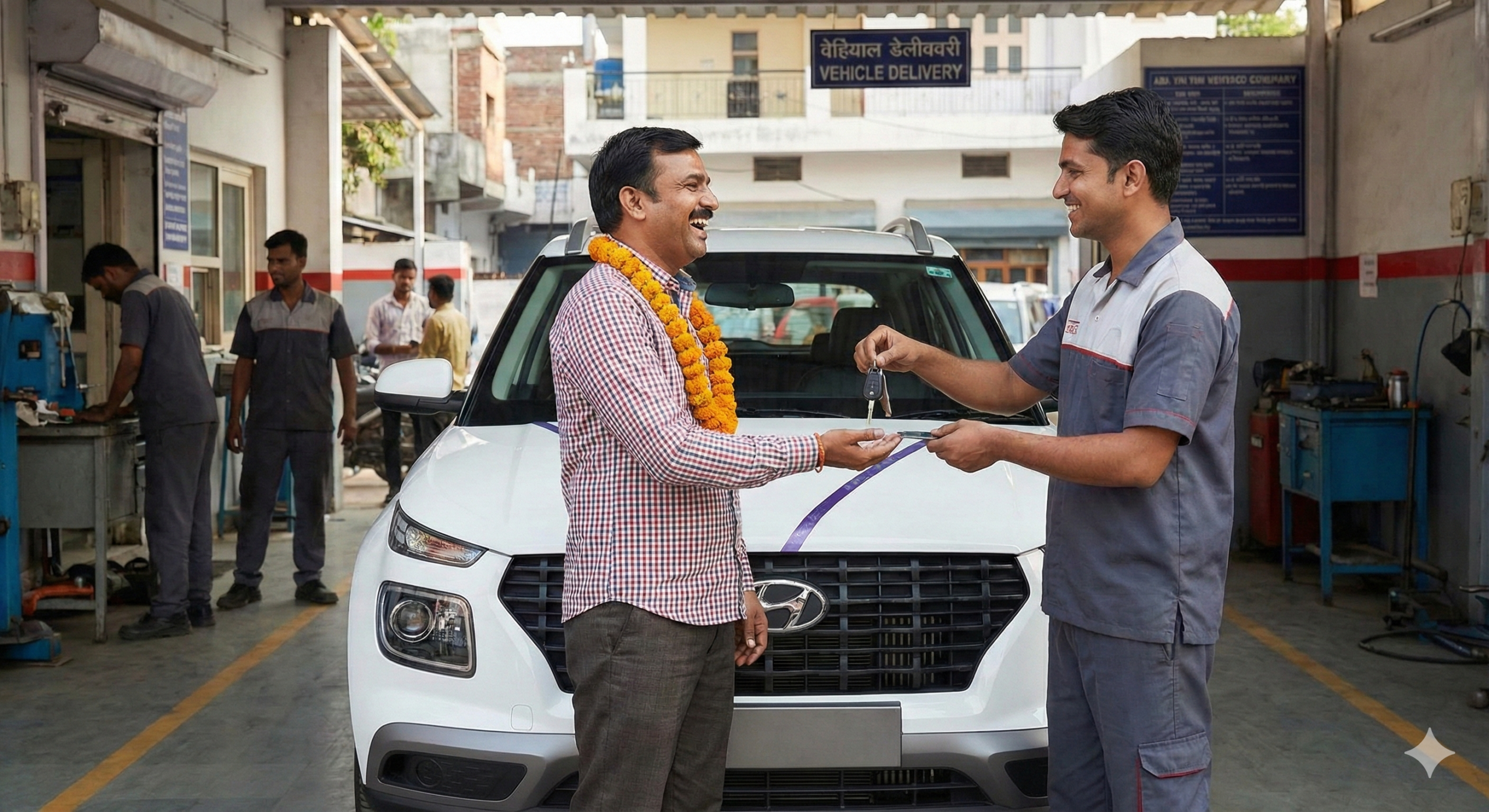
For most Indian car owners, the appearance of the “Service Due” light on the dashboard is met with a physical wince. It’s not just the inconvenience of losing your car for a day; it’s the looming anxiety of the final invoice. Whether you are navigating the chaotic streets of Bangalore or the highways around Hyderabad, the cost of vehicle ownership is often artificially inflated by a system designed to maximise “per-vehicle intake” at the service desk.
At AutoCritic, we view a car service as a technical audit, not a blank check for the dealership. We believe in the “Spec Sheet” approach: if it isn’t mechanically necessary, it shouldn’t be on the bill. If you want to truly understand how to save money on car service, you need to stop being a passive consumer and start being a technical advocate for your machine.
1. The “Value Added” Trap: Deconstructing the Service Advisor’s Pitch
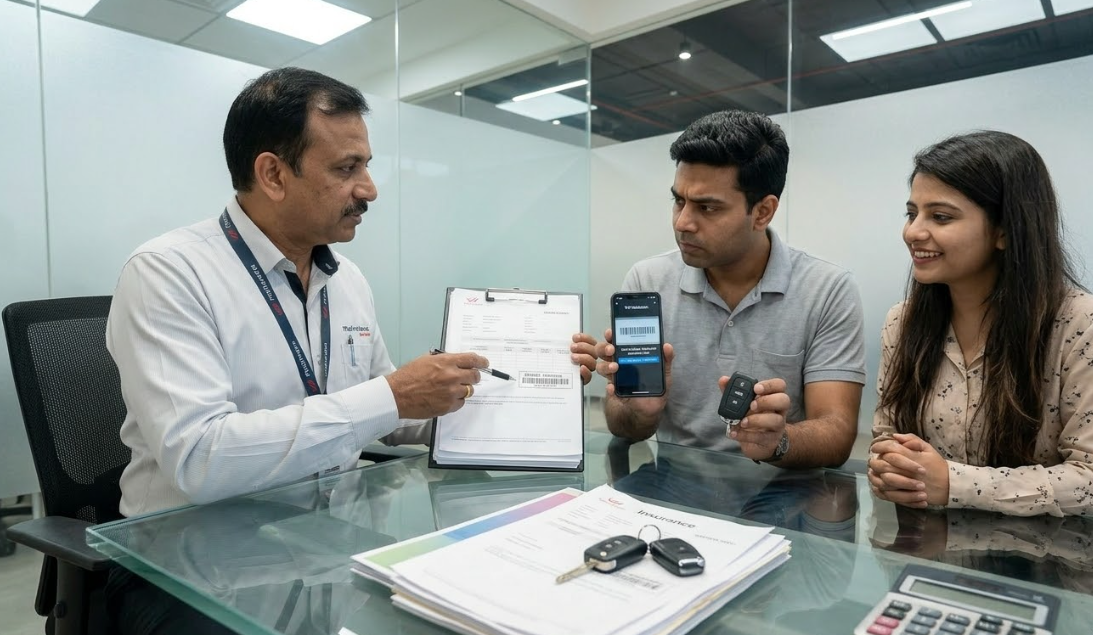
The moment you pull into an Authorised Service Centre (ASC), you are no longer just a driver; you are a target for “Value Added Services” (VAS). The service advisor, often incentivized by commissions, will present a pre-estimate filled with polished-sounding jargon.
- Engine Flushing: You’ll be told it “cleans out the gunk.” In reality, modern synthetic oils are packed with high-quality detergents that keep engines remarkably clean. Unless your car has been sitting for years or missed five oil changes, a flush is redundant and can occasionally dislodge debris that clogs oil galleries.
- Climate Control Sanitisation: Usually just a localised spray of disinfectant into the vents. You can achieve better results with a high-quality DIY foam cleaner or by simply replacing your cabin air filter—at a tenth of the cost.
- Silencer Coating: Often sold as rust protection. Most modern exhaust systems are already made of treated alloys or stainless steel that outlast the car’s initial warranty period.
The Personal Touch: I’ve sat in dozens of service lounges across India, and the most common “leak” in a customer’s wallet is the inability to say “No” to these items. Stripping these from your job card can instantly save you between ₹3,000 and ₹7,000 per visit.
2. Authorised vs Independent: The Post-Warranty Pivot
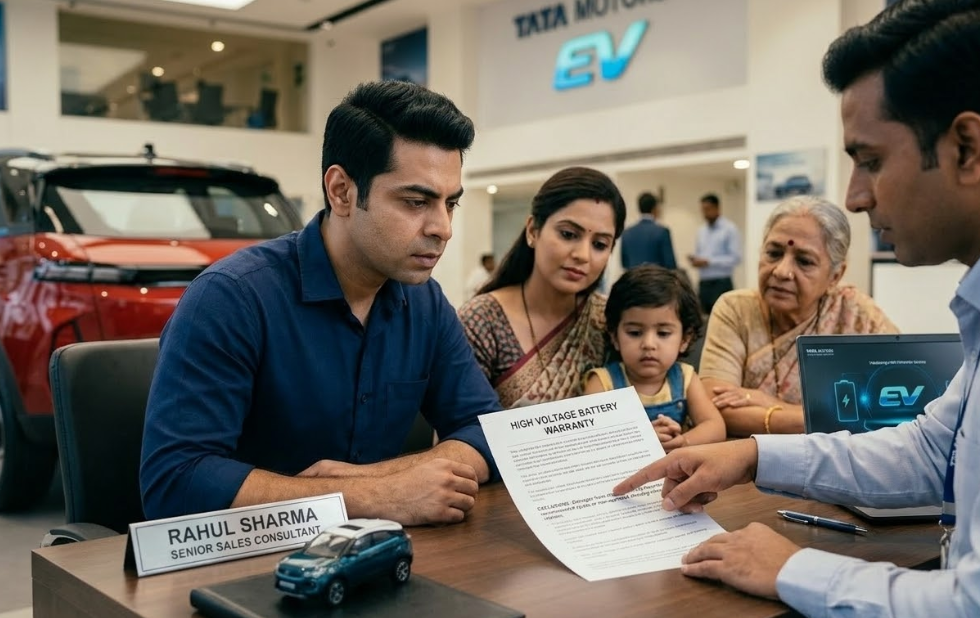
The biggest variable in your savings strategy is where you choose to spend your labour hours.
- The Warranty Guard: While your car is under its initial 2 or 3-year warranty (or extended warranty), stick to the ASC. The “savings” of an outside garage aren’t worth the risk of a voided warranty if a major component fails.
- The Independent Specialist: Once that warranty expires, the math changes. Independent garages in cities like Hyderabad or Pune often have lower overheads. A specialist who knows your specific brand—be it a Maruti or a BMW—can offer labour rates 30-50% lower than a dealership.
Pro Move: Look for garages that use computerised diagnostic tools (OBD-II scanners). A mechanic with a scanner is a technician; a mechanic without one is just a guesser.
3. Understanding Spare Parts: OEM vs. OES

One of the best-kept secrets in the automotive industry is that car manufacturers rarely make their own parts. They assemble them.
- OEM (Original Equipment Manufacturer): Parts sold in the car brand’s box.
- OES (Original Equipment Supplier): The exact same part, made by the same company (think Bosch for wipers, Brembo for brakes, or Denso for spark plugs), but sold in their own branding.
By sourcing OES parts for non-critical components like filters, brake pads, and wiper blades, you are getting 100% of the quality for 60% of the price. At AutoCritic, we call this “Spec-Matching”—buying the engineering, not the logo.
4. Preventive Maintenance: The “Silent” Saver
The most expensive service is the one caused by a catastrophic failure. Saving money isn’t just about cutting the bill; it’s about extending the intervals between major repairs.
- Tyre Rotation & Alignment: In the Indian heat, uneven tyre wear is a silent killer of your budget. Rotating every 5,000 km can extend the life of a set of tyres by an entire year.
- Fluid Monitoring: Don’t wait for the service light to check your coolant or brake fluid levels. A ₹500 bottle of coolant today can prevent a ₹50,000 engine overhaul tomorrow.
5. The Art of the “Self-Service” (The DIY Edge)
You don’t need a mechanical engineering degree to handle some of the basics.
- Cabin Air Filter: This usually takes 5 minutes and is located behind your glove box. Buying it online and doing it yourself saves you the dealership’s 300% markup and labor charge.
- Wiper Blades: A simple “hook” mechanism. Why pay someone ₹200 in labour to do something that takes 60 seconds?
The AutoCritic Cost Audit
Comparing Dealership vs. Informed Maintenance
| Service Component | Standard Dealership | AutoCritic Approach | Savings |
|---|---|---|---|
| Add-on Services (Engine flush, AC sanitizing, etc.) |
₹4,500 – ₹8,000 | ₹0 | 100% |
| Consumables (Generic shop supplies surcharge) |
₹800 – ₹1,200 | ₹200 – ₹400 | ~60% |
| Spare Parts (Filters, Plugs, Brakes via OES) |
Premium OEM Pricing | Identical OES Quality | 30-50% |
| Labor Rates (Post-Warranty independent garage) |
High Dealer Mark-up | Direct Tech Labor | 40% |
Conclusion
Saving money on car service isn’t about being cheap; it’s about being informed. It’s about knowing which items on that job card are technical necessities and which are purely profit-driven fluff. Your car is a machine of precision—treat its maintenance with the same level of analytical rigour.
For a deeper dive into how your car’s parts evolve, check out our Morphology Series. If you are preparing for the summer heat, don’t miss our guide on How to Protect Your Car This Summer.
Stay sharp, drive hard, and keep it AutoCritic.
Disclaimer
Please note that the information provided on autocritic.in, including all pricing, specifications, and feature lists, is for general informational purposes only and cannot always be guaranteed as 100% accurate. Variants and specific feature lists can vary greatly based on region and dealership stock. For final, accurate pricing and the most up-to-date feature details, please contact your nearest authorized dealership before making a purchase decision.

Confused About Your Next Car?
Get unbiased, expert advice tailored to your budget. Cut through the jargon and make the right choice.